



‘Pascoa’ in Portugal
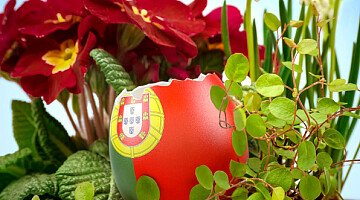
A beautifully set Portuguese Easter table featuring folar de Páscoa, chocolate eggs, traditional sweets, and spring decorations in warm sunlight.
Published on
Portugal’s cuisine is as rich and varied as its landscape. Tradition says the faithful should abstain from eating meat – although some priests nowadays say it’s not compulsory, recommending some type of fasting as a sign of penitence for Christ’s suffering. As in many other Catholic countries, the tradition prompted the Portuguese to seek alternative food, and the choice was fish, especially the famous dry salted codfish known as ‘bacalhau’ served on Good Friday. Roast lamb is usually eaten on Easter Sunday, a heritage from the Jewish custom which celebrates the Hebrews’ exodus from Egypt and the sacrifice of the lambs in the story of their flight to freedom.
One food typically associated with Easter is the ‘folar de Páscoa’, a type of sweet bread resembling cake, with an egg boiled in the shell being incorporated into the dough. This represents rebirth and the resurrection of Christ. In the Algarve, the ‘folar’ is deliciously indulgent. and sticky sweet, with swirled layers of delicious, melted sugar, cinnamon and caramel!
And what’s Easter without treats? From marzipan sweets shaped like fruit and animals, to cakes infused with figs, oranges, almonds, carob, or pumpkin. Add in creamy rice pudding, sugar-coated almonds, and, naturally, an assortment of chocolate eggs, and your table becomes a feast!
Easter in Portugal is a special time, full of warmth, tradition, and celebration. Each region has its own unique charm, with beautiful processions, lively music, and delicious seasonal treats. As spring sunshine fills the towns, families and neighbours come together to enjoy the festive atmosphere and time-honoured customs.
Feliz Páscoa! Joyeuses Pâques! Frohe Ostern! Happy Easter!
Published in: At Home Magazine / Guide to Portugal / Portuguese Life