





Portugal’s Digital Nomad Villages: A Deep Dive into Lifestyle & Costs
Portugal’s Digital Nomad Villages: A 2025 Deep Dive into Lifestyle & Costs
Published on
The Digital Nomad Wave in Portugal: Beyond Lisbon & Porto
The allure of Portugal for remote workers extends far beyond its major cities. Recognising the economic and social benefits, various regions and local initiatives have actively fostered environments conducive to digital nomads. These often involve partnerships to provide reliable infrastructure, co-working spaces, and community-building activities. The result is a growing network of locations where nomads can find not just a place to work but a genuine sense of belonging and a lifestyle tailored to their needs. This shift also offers nomads the chance to experience different facets of Portuguese life, from coastal surf towns to tranquil rural retreats, often at a more accessible price point than the bustling metropolises.
Madeira (Ponta do Sol): The Pioneer
When discussing digital nomad villages in Portugal, Ponta do Sol in Madeira is often the first name that comes to mind, and for good reason. It was one of the earliest and most organised initiatives, launched in collaboration with the regional government and Startup Madeira.
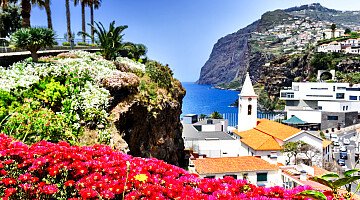
- Lifestyle: Ponta do Sol offers a compelling package. Nomads are drawn to its strong, established community, with regular organised events, workshops, and social gatherings. The natural beauty of Madeira is a huge plus, with lush landscapes, dramatic cliffs, and numerous hiking trails (levadas) to explore. The weather is generally mild year-round. The village itself is picturesque, offering a relaxed pace of life. Outdoor activities, from hiking and canyoning to whale watching, are abundant.
- Costs: Accommodation in and around Ponta do Sol can be somewhat higher than in some mainland villages, partly due to its popularity and the island setting. Expect to pay more for well-located apartments or houses with good views. However, many co-working facilities, including the main hub, often offer free access as part of the village initiative, which is a significant cost saving. The general cost of living for groceries and dining out is reasonable, though perhaps slightly higher than in more rural mainland areas.
- Infrastructure: A key success factor for Ponta do Sol has been its commitment to providing reliable, high-speed internet, which is crucial for remote work. Support services for nomads, including assistance with local bureaucracy, are also well-established.
Mainland Options: Exploring Emerging Hubs
While Madeira set a high bar, several mainland locations are rapidly developing their own distinct digital nomad scenes, offering diverse lifestyles and often more varied cost structures.
- Ericeira: This world-renowned surf reserve north of Lisbon has naturally attracted a community of surfers and ocean lovers who also work remotely.
- Lifestyle: The vibe is laid-back, heavily influenced by surf culture. It offers a vibrant café scene, yoga studios, and a strong sense of community, particularly among those passionate about the ocean. The coastline is stunning, with beautiful beaches and cliff-top walks.
- Costs: Accommodation in Ericeira can be competitive, especially for properties with sea views or close to the main surf spots. Co-working spaces are available, typically on a paid membership basis. The cost of living is moderate, with plenty of local markets and affordable eateries.
- Infrastructure: Internet is generally good, and the town is well-connected to Lisbon. Several dedicated co-working spaces have emerged to cater to the growing demand.
- Peniche & Baleal: Further north along the Silver Coast, Peniche and the nearby Baleal peninsula are also famed for surfing and are attracting a growing nomad contingent.
- Lifestyle: Similar to Ericeira, it’s a haven for surfers, but perhaps with a slightly more rugged and less polished feel. It offers a more traditional Portuguese coastal town experience alongside the international nomad community.
- Costs: Accommodation can be more affordable here compared to Ericeira or the Algarve. Co-working options are developing, with some surf camps and guesthouses offering facilities.
- Infrastructure: Internet is generally reliable, particularly in the main town areas.
- Costa da Caparica: Located just across the bridge from Lisbon, Costa da Caparica offers long sandy beaches and a more local Portuguese holiday vibe, which is increasingly appealing to nomads seeking proximity to the capital without city prices.
- Lifestyle: It’s a popular spot for Lisboetas to escape the city, offering a lively summer atmosphere and a quieter, more relaxed feel off-season. Great for beach lovers and those who want easy access to Lisbon’s amenities.
- Costs: Accommodation is generally cheaper than in Lisbon itself, though prices have been rising with its increasing popularity. Co-working spaces are emerging.
- Infrastructure: Good transport links to Lisbon and generally reliable internet.
- Rural Initiatives: Beyond the coast, various smaller towns and rural areas are launching initiatives to attract digital nomads, often focusing on tranquillity, nature, and a lower cost of living. These can vary greatly in terms of community size and available facilities but offer a chance to experience a different side of Portugal.
What to Look For in a Digital Nomad Village/Community
Choosing the right digital nomad village depends heavily on individual preferences, but some key factors are universally important:
- Reliable Wi-Fi: Non-negotiable. Ensure the accommodation and co-working spaces offer stable, high-speed internet.
- Co-working Facilities: While some nomads work from home, many appreciate dedicated co-working spaces for productivity and networking. Check availability, cost, and quality.
- Community & Events: A strong community with regular events, workshops, and social gatherings can make a huge difference to the nomad experience, combating isolation and fostering connections.
- Networking Opportunities: For many, a key benefit is the chance to network with like-minded professionals from diverse backgrounds.
- Access to Amenities: Consider proximity to supermarkets, pharmacies, healthcare, restaurants, and leisure activities.
- Safety: Portugal is generally very safe, but it’s always wise to research the specific safety aspects of any chosen location.
- Visa Support (if applicable): For non-EU nationals, understanding visa requirements (like the Digital Nomad Visa) is crucial. Some communities may offer more informal support or guidance.
Cost of Living Comparison: Village vs. City
A significant draw for many digital nomad villages is the potential for a lower cost of living compared to major cities like Lisbon or Porto. Here’s a general idea (costs are approximate and can vary widely):
- Rent (1-bedroom apartment):
- Lisbon/Porto City Center: €1000-€1800+
- Madeira (Ponta do Sol area): €700-€1200
- Ericeira/Peniche: €600-€1000
- Rural Villages: €400-€700
- Co-working Space (monthly pass):
- Lisbon/Porto: €150-€250
- Madeira (Ponta do Sol): Often free or lower cost through the initiative.
- Ericeira/Peniche: €100-€200
- Monthly Groceries (per person): €200-€300 (relatively consistent across regions, depends on shopping habits).
- Meal at an inexpensive restaurant: €8-€15 (can be cheaper in smaller villages).
Generally, choosing a digital nomad village outside the main urban centres can lead to significant savings on accommodation, which is typically the largest expense.
Finding Your Tribe: How PortugalProperty.com Can Help with Longer Stays
While many digital nomads start with short-term stays, some fall in love with the lifestyle and location and decide to stay longer. For those looking for medium- to long-term rentals, or even considering purchasing a property to use as a base, PortugalProperty.com offers a wide range of listings across many of these nomad-friendly areas. Their experienced team, featured on their website www.PortugalProperty.com, can provide insights into local market conditions and help you find a place that truly feels like home, whether you’re working remotely for a year or planning a more permanent move.
24-Hour Challenge: If you’re a digital nomad or aspiring to be one, spend the next 24 hours researching one Portuguese digital nomad village that appeals to you. What’s one unique aspect that draws you in? Could it be your next destination?
Published in: Miscellaneous